
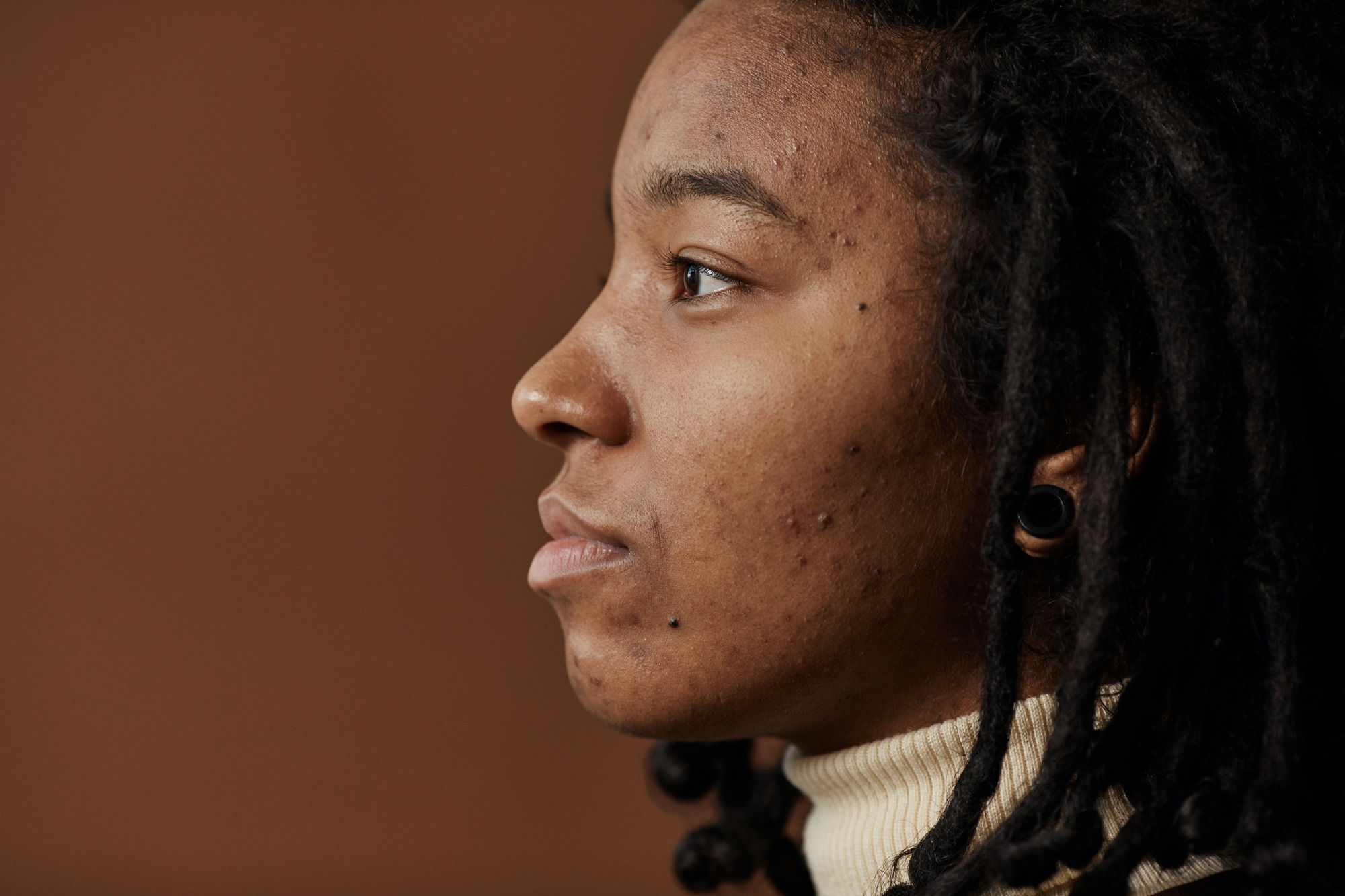
Acne is a common skin condition, and it has been proven that approximately 85% of teenagers are highly likely to experience some form of acne. The sebaceous (oil) glands normally secrete sebum (oil) to keep the skin moist. When the sebaceous glands secrete an elevated amount of sebum, it can clog the pores of the skin in combination with skin bacteria and dead skin cells that are present. During puberty, which usually starts at the age of 11 for girls and 12 for boys, the sebaceous glands tend to secrete elevated amounts of sebum due to an increased production of male hormones.
When the pores of the skin become clogged, blackheads, whiteheads, papules, pustules, nodules, and cysts can form. Acne most often appears in areas such as the face (nose, forehead, chin), chest, upper back, shoulders and neck. The severity of acne is not the same among all patients, and severity can change from time to time on the same person. This indicates that the dermatologist determines the best treatment for each teenage patient, after they have been examined and according to the severity of the condition and the medical history of each patient.
Establishing a skincare routine
- Wash your face with a mild cleanser once or twice daily.
- Avoid using harsh exfoliators.
- Apply a non-comedogenic sun-protection moisturiser
- Wash your hair regularly and avoid using headbands
- After exercise remove clothes as soon as possible
- Avoid touching your face and squeezing the blackheads
- Change sheets/pillowcase weekly
- For boys that start to shave, clean blade, shave in direction of hair growth and avoid nicking existing spots.